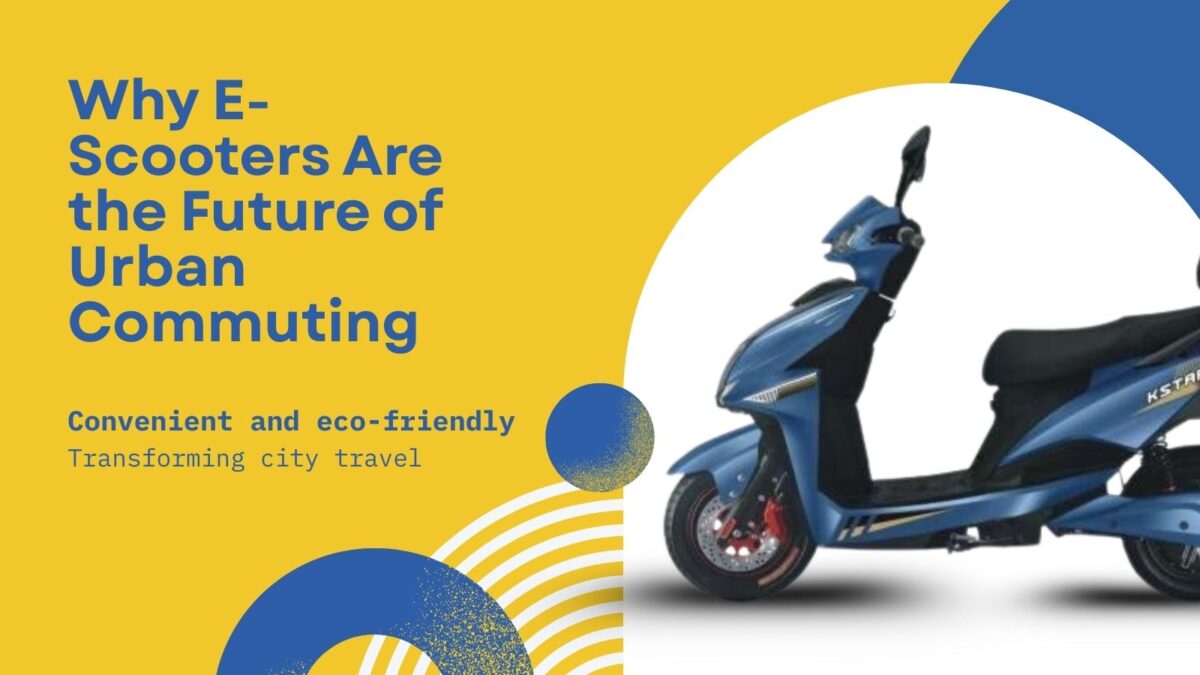

Why E-Scooters Are the Future of Urban Commuting
July 12, 2025
Overview
Electric scooters (e-scooters) are no longer just futuristic gadgets from sci-fi movies. They’ve zipped into our everyday lives, becoming a trendy, efficient, and eco-friendly mode of transport. Whether you’re considering one for your daily commute, weekend rides, or simply to reduce your carbon footprint, this guide will walk you through everything you need to know before making the switch.
1. What is an E-Scooter?
An e-scooter is a two-wheeled, battery-powered vehicle that allows you to zip around city streets, neighborhoods, and even campus paths. It operates using an electric motor, and most are controlled via a throttle on the handlebars. Modern e-scooters are sleek, foldable, and easy to store, making them ideal for urban lifestyles.
2. Types of E-Scooters
Not all e-scooters are created equal. Here’s a breakdown of common types:
- Commuter E-Scooters: Lightweight, foldable, and designed for smooth urban roads. Perfect for daily office commutes.
- Off-Road E-Scooters: Equipped with bigger tires, stronger suspensions, and a more powerful motor. Built for rough terrains and adventure.
- Performance E-Scooters: These are fast, powerful, and packed with premium features. Ideal for experienced riders.
- Kids’ E-Scooters: Smaller, slower, and built with safety features to cater to younger riders.
3. Key Features to Look For
Before swiping your card, pay attention to these important features:
- Battery Life & Range: How far can it go on a single charge? Look for something with a range that matches your daily needs.
- Motor Power: Measured in watts (W), a motor between 250W to 500W is suitable for city rides, while off-road or hilly terrains might need 1000W or more.
- Weight Capacity: Check the max rider weight. Most standard models support up to 100-120 kg.
- Portability: Can you fold and carry it easily? Look for lightweight builds with a quick-fold mechanism.
- Tire Type: Pneumatic (air-filled) tires offer better shock absorption than solid tires.
- Braking System: Disc brakes, drum brakes, or electronic brakes – a good scooter usually combines two for better safety.
- Suspension: Essential if you’ll be riding over bumpy roads.
- Display Panel: Most e-scooters come with LED screens showing speed, battery, mode, and more.
4. Legal Rules & Regulations
Laws differ from one city or country to another, but here are some general guidelines:
- Age Restrictions: Most places require riders to be 16+.
- Helmet Laws: Wearing a helmet is often mandatory.
- Where You Can Ride: Some areas allow scooters only on bike lanes, others prohibit them on sidewalks.
- Speed Limits: Many regions cap e-scooter speeds at 25 km/h or lower.
- Licensing & Registration: Some cities may require registration or insurance, while others don’t.
Always check your local traffic department’s guidelines before hitting the road.
5. Safety Tips for Beginners
Riding an e-scooter is fun, but safety should always come first. Here are a few beginner-friendly tips:
- Start Slow: Don’t hit top speed on your first ride. Learn to balance and brake effectively.
- Use Protective Gear: A helmet is a must. Knee and elbow pads offer extra protection.
- Be Visible: Ride during the day if possible. Use reflective gear and lights when riding at night.
- Avoid Wet Surfaces: Most e-scooters aren’t waterproof. Wet roads can also be slippery.
- Follow Traffic Rules: Always follow the local traffic rules, signals, and signs.
6. Maintenance 101
E-scooters are relatively low maintenance, but regular checks can increase lifespan and performance.
- Battery Care: Don’t overcharge. Charge only when battery is below 30-40%.
- Tire Check: Keep them inflated (if air-filled) and inspect regularly for wear.
- Brake Test: Check if brakes are responsive and tight.
- Clean Regularly: Use a damp cloth to clean the body. Avoid soaking the electronics.
7. Frequently Asked Questions
Q1: Can I ride an e-scooter in the rain? A: Light drizzles are usually fine, but heavy rain should be avoided unless your model is water-resistant.
Q2: How long does it take to charge an e-scooter? A: Charging times vary but usually take between 4 to 8 hours.
Q3: How long will an e-scooter last? A: With proper care, most scooters last 2 to 4 years. Battery performance may decrease with time.
Q4: Are e-scooters safe for beginners? A: Yes, if you start with a beginner-friendly model and ride cautiously with safety gear.
Q5: Can I take my e-scooter on public transport? A: Most foldable models are allowed, but check with your local transport authority.
Final Thoughts
Buying your first e-scooter can be both exciting and overwhelming. But with the right research and preparation, you’ll be cruising confidently in no time. Whether it’s for reducing commute time, saving fuel costs, or embracing a more sustainable lifestyle, e-scooters are a smart step forward.
So next time you’re stuck in traffic or paying for yet another tank of petrol, just imagine gliding past the chaos on your stylish electric scooter.
Welcome to the e-scooter revolution – one ride and you might never look back!
Ready to pick your first ride? Stay tuned to our blog for reviews, comparisons, and top picks for 2025!